
01
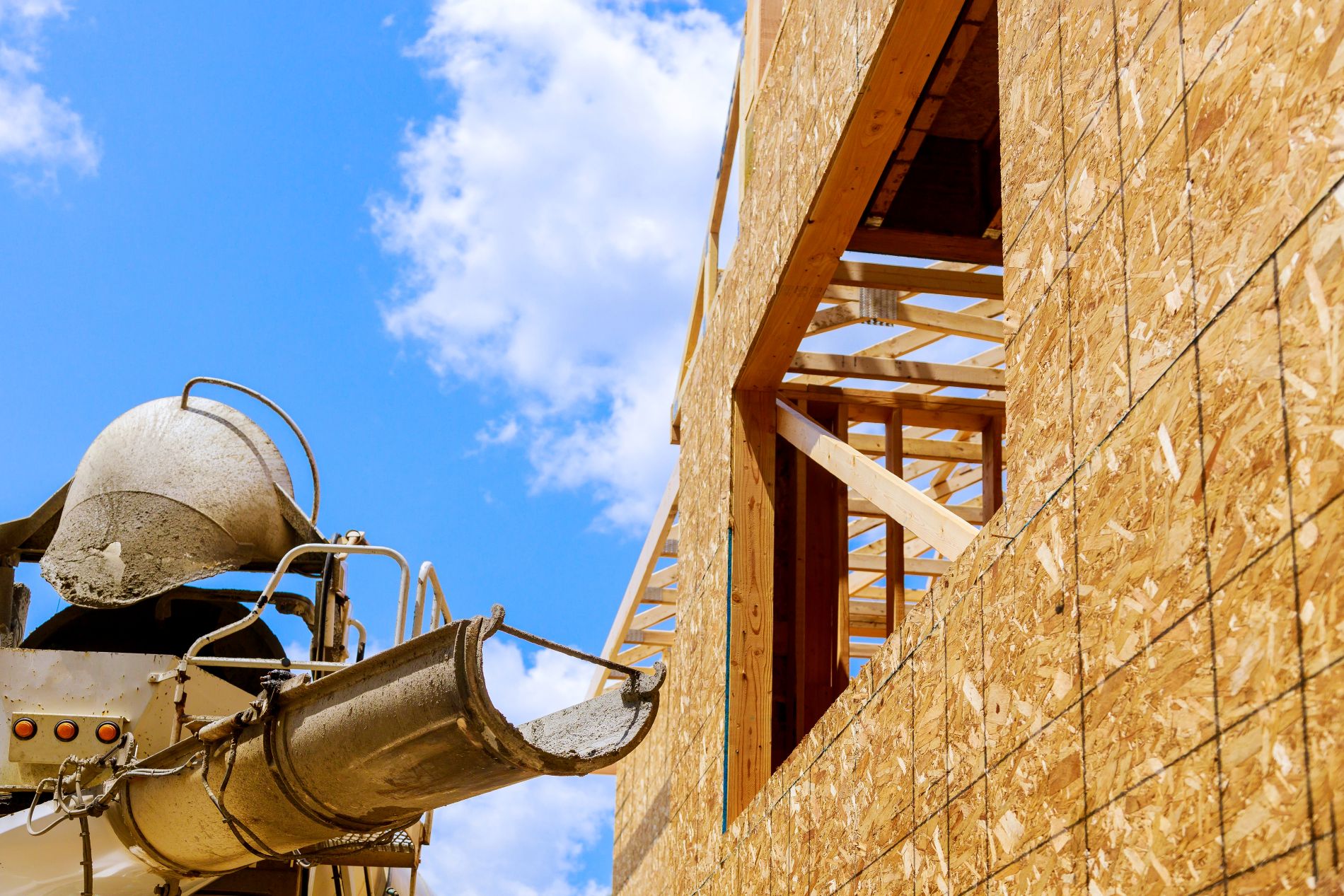
Commercial Roofing
Roofing work planned around access, operations, drainage, equipment, penetrations, safety, and long-term maintenance.
Explore Commercial RoofingSLM General Contractors
Residential and commercial roofing, replacement, repair, leak detection, storm damage restoration, flashing, gutters, and complete roof-system coordination delivered through one accountable team.
More Than the Visible Surface
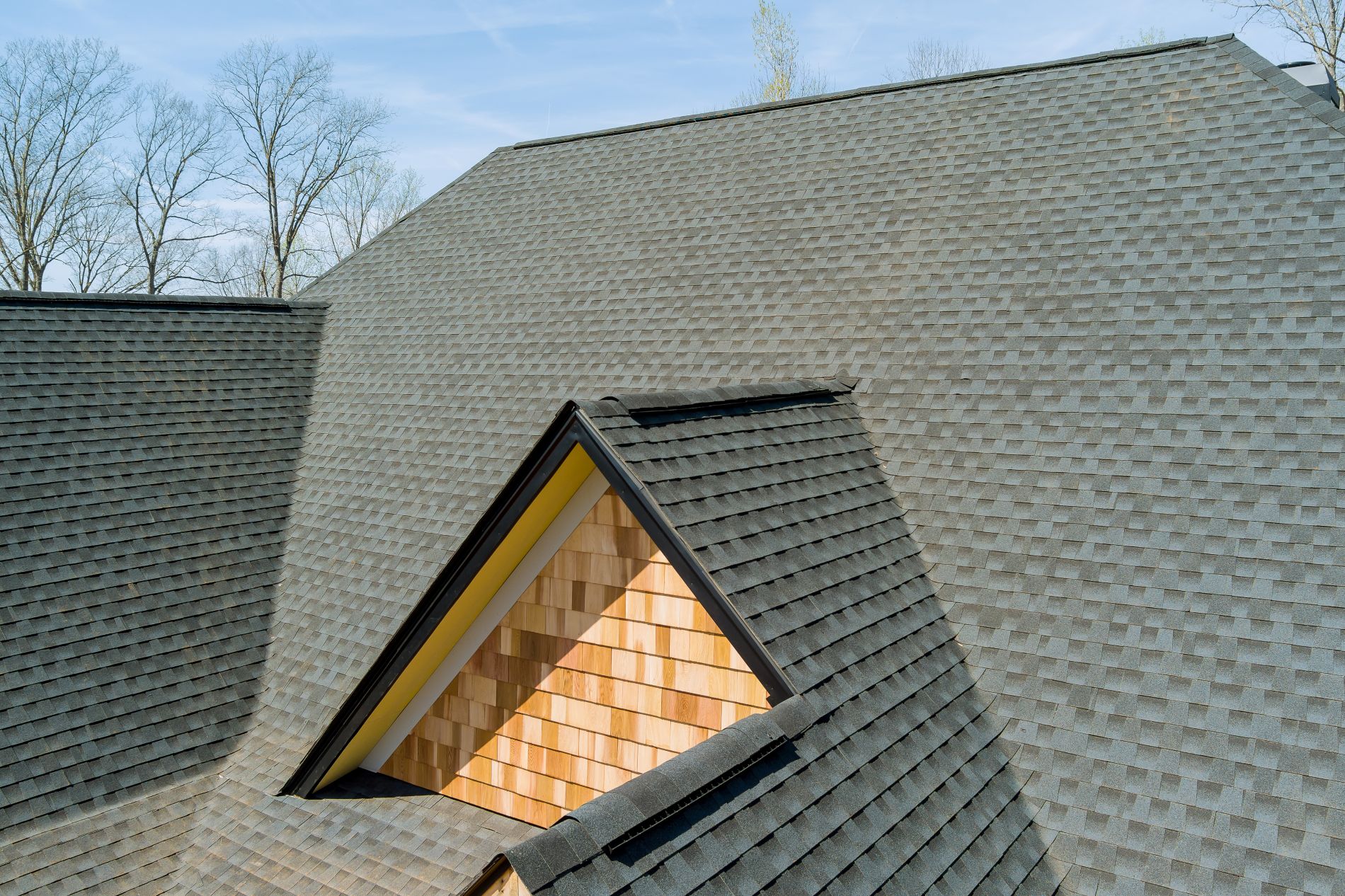
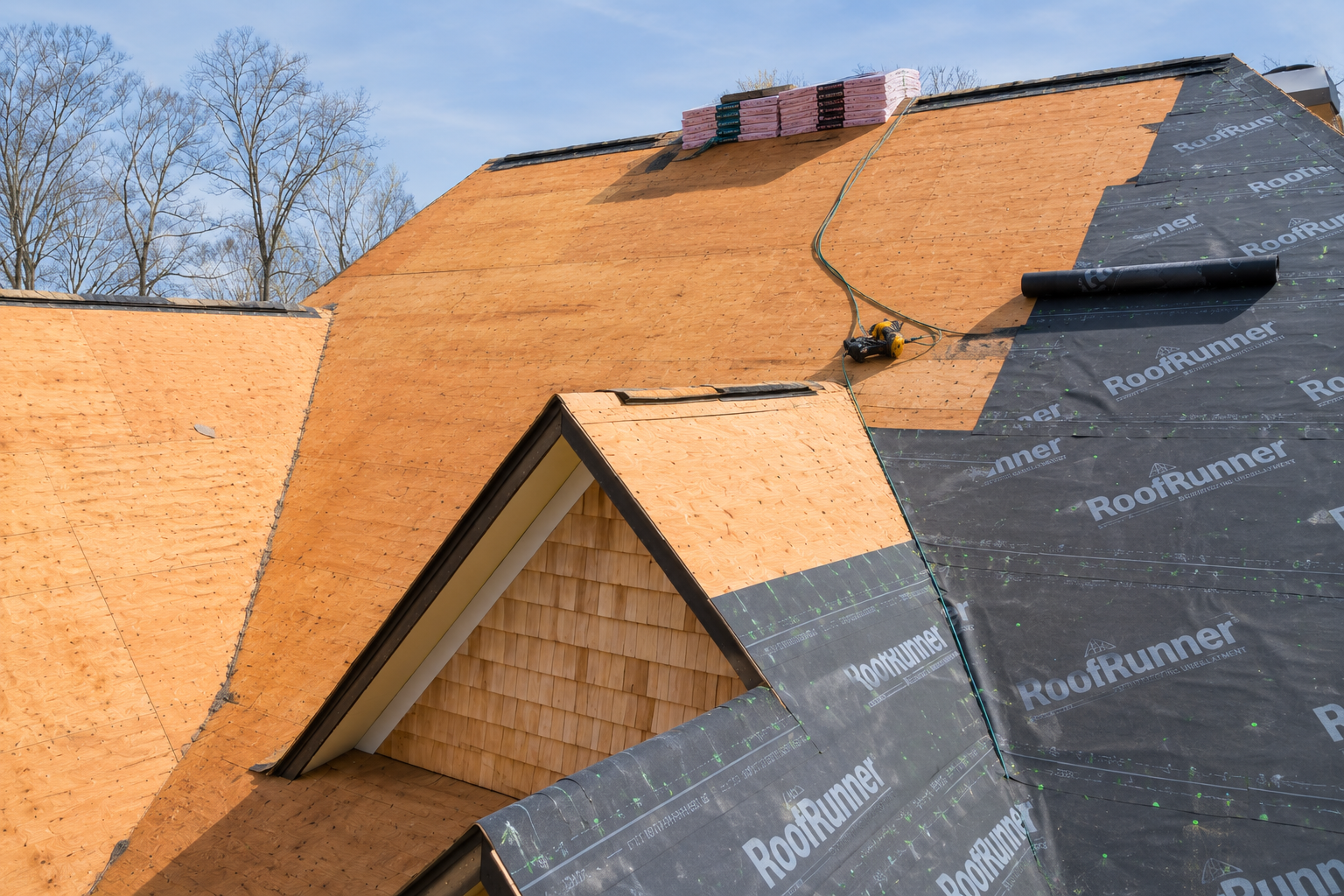
A roof is a connected system of decking, underlayment, flashing, ventilation, drainage, penetrations, edges, and exterior materials. Lasting performance depends on how well those components work together.
SLM General Contractors evaluates the visible roofing surface along with the surrounding details that influence water movement, heat, moisture, wind exposure, and long-term durability.
Whether the project involves a full replacement, targeted repair, active leak, storm damage, addition tie-in, or drainage improvement, our team keeps the work connected to the structure beneath it.
Roofing Services
Explore roofing services for homes, businesses, additions, active leaks, aging systems, drainage concerns, and weather-related damage.
Residential roofing requires careful attention to the home’s structure, slopes, penetrations, ventilation, flashing, drainage, landscaping, access, and occupied living areas below.
Roofing work planned around access, operations, drainage, equipment, penetrations, safety, and long-term maintenance.
Explore Commercial Roofing
Install a complete roofing system for new construction, replacement projects, or substantial property improvements.
Explore New Roof Installation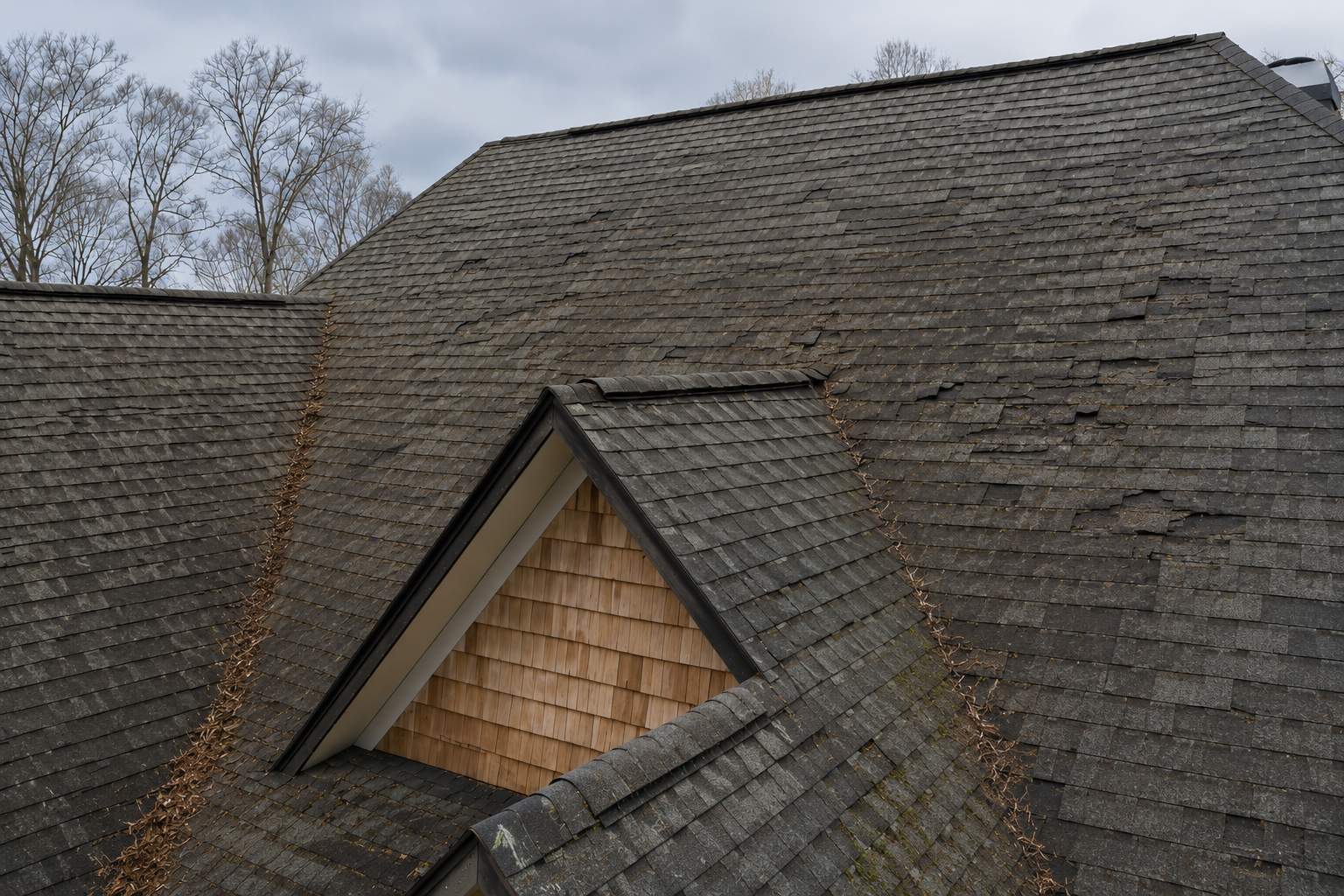
Address localized damage, worn components, vulnerable penetrations, flashing concerns, and other repairable conditions.
Explore Roof Repair
Investigate water entry by tracing penetrations, flashing, drainage paths, transitions, and interior signs of moisture.
Explore Roof Leak Repair
Ensure your home's roofing system is safe & sound after a recent storm through our local storm damage roof repairs.
Explore Storm Damage Roof Repair
Direct water away from vulnerable edges, transitions, walls, openings, foundations, and surrounding property areas.
Explore Support SystemsThe Complete Roofing System
Roofing performance depends on more than the outer material. The deck, moisture barriers, flashing, ventilation, edges, penetrations, and drainage system must all function as connected parts.
Schedule a Roof EvaluationThe roof deck supports the assembly. Soft, damaged, or deteriorated areas should be addressed before new materials conceal them.
Secondary protection beneath the visible roofing material helps guard vulnerable edges, valleys, and transitions.
Chimneys, walls, vents, skylights, pipes, and intersections require carefully detailed flashing to redirect water.
Balanced ventilation helps manage heat and moisture beneath the roof assembly and within the attic space.
Gutters and downspouts collect runoff and move it away from walls, entrances, walkways, and foundation areas.
After Severe Weather
Wind, hail, falling debris, and heavy rain can affect shingles, flashing, roof edges, gutters, penetrations, and hidden areas beneath the surface.
Record visible damage and affected roofing components before conditions change.
Reduce continued exposure when immediate permanent work cannot begin safely.
Separate localized repair needs from broader replacement or system concerns.
Why Choose SLM
The quality of a roofing project depends on condition assessment, preparation, system details, property protection, communication, and disciplined installation.
Consider visible damage, vulnerable details, water paths, drainage, penetrations, and surrounding conditions.
Approach roofing as connected layers and components rather than only the visible surface.
Plan access, debris control, landscaping protection, material staging, cleanup, and occupied areas below.
Understand findings, recommendations, project phases, material decisions, and changing conditions.
Pay close attention to valleys, flashing, walls, openings, edges, gutters, and runoff direction.
Review completed surfaces, details, drainage components, cleanup, and remaining project items.
Our Roofing Process
Roofing needs vary by structure and condition, but a consistent process helps organize findings, priorities, materials, protection, and quality review.
Discuss roof age, known concerns, leaks, storm exposure, access, and the desired outcome.
Review visible materials, flashing, penetrations, edges, drainage, interior signs, and accessible roof areas.
Define repair or replacement scope, materials, sequencing, access, protection, and expectations.
Complete preparation, removal, repairs, installation, flashing, drainage details, and cleanup.
Review completed surfaces, penetrations, transitions, drainage components, cleanup, and details.
Roofing in Practice
Properties We Protect
Roof replacement, repair, leaks, storm damage, flashing, drainage, and addition roofing for homes.
Coordinated roofing evaluation, repair, replacement, and water-management work for commercial properties.
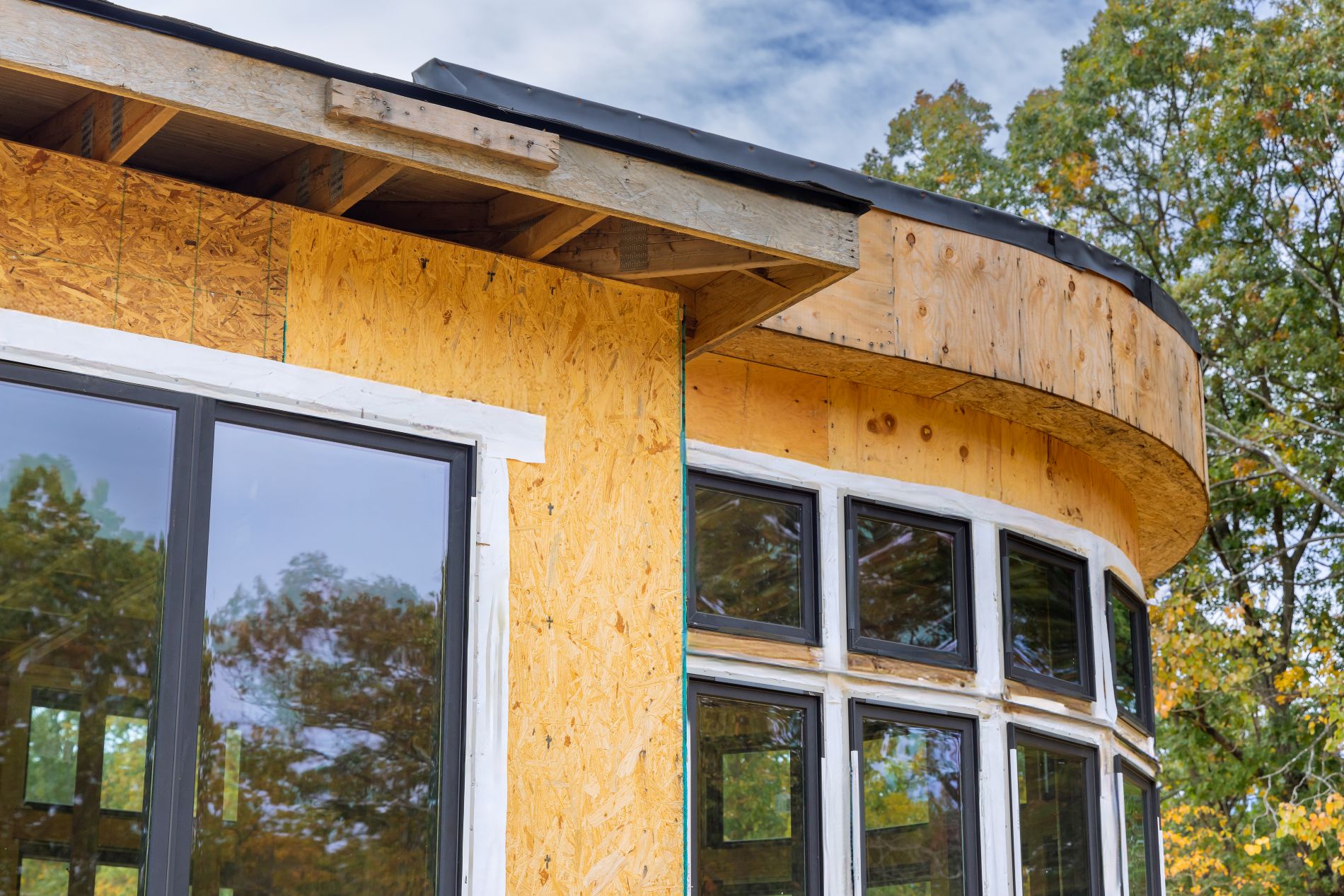
New roof systems and addition tie-ins coordinated with framing, exterior finishes, flashing, and drainage.
Roofing FAQs
Learn more about roof evaluation, leaks, repair versus replacement, storm damage, ventilation, materials, and preparing the property.
Ask About Your RoofThe answer depends on roof age, material condition, extent of damage, leak history, flashing details, decking condition, and whether problems are isolated or widespread.
Water can enter at one location and travel along decking, framing, fasteners, insulation, or interior surfaces before becoming visible somewhere else.
Begin with safety and avoid climbing onto a wet, damaged, or unstable roof. Document visible conditions from safe locations and arrange a professional evaluation.
Roof openings and intersections interrupt the continuous roofing surface. Flashing redirects water around those vulnerable transitions.
Roofing work creates vibration, noise, debris movement, material deliveries, and temporary changes to driveway or yard access.
Ventilation helps manage heat and moisture beneath the roof assembly. Its effectiveness depends on balanced intake, exhaust, insulation, and unobstructed airflow.
Start with a Roof Evaluation
Speak with SLM General Contractors about replacement, repair, leaks, storm damage, addition roofing, flashing, gutters, and complete residential or commercial roofing systems.