
Water Management
Evaluate slopes, valleys, roof edges, wall intersections, penetrations, flashing, gutters, and runoff direction as connected water paths.
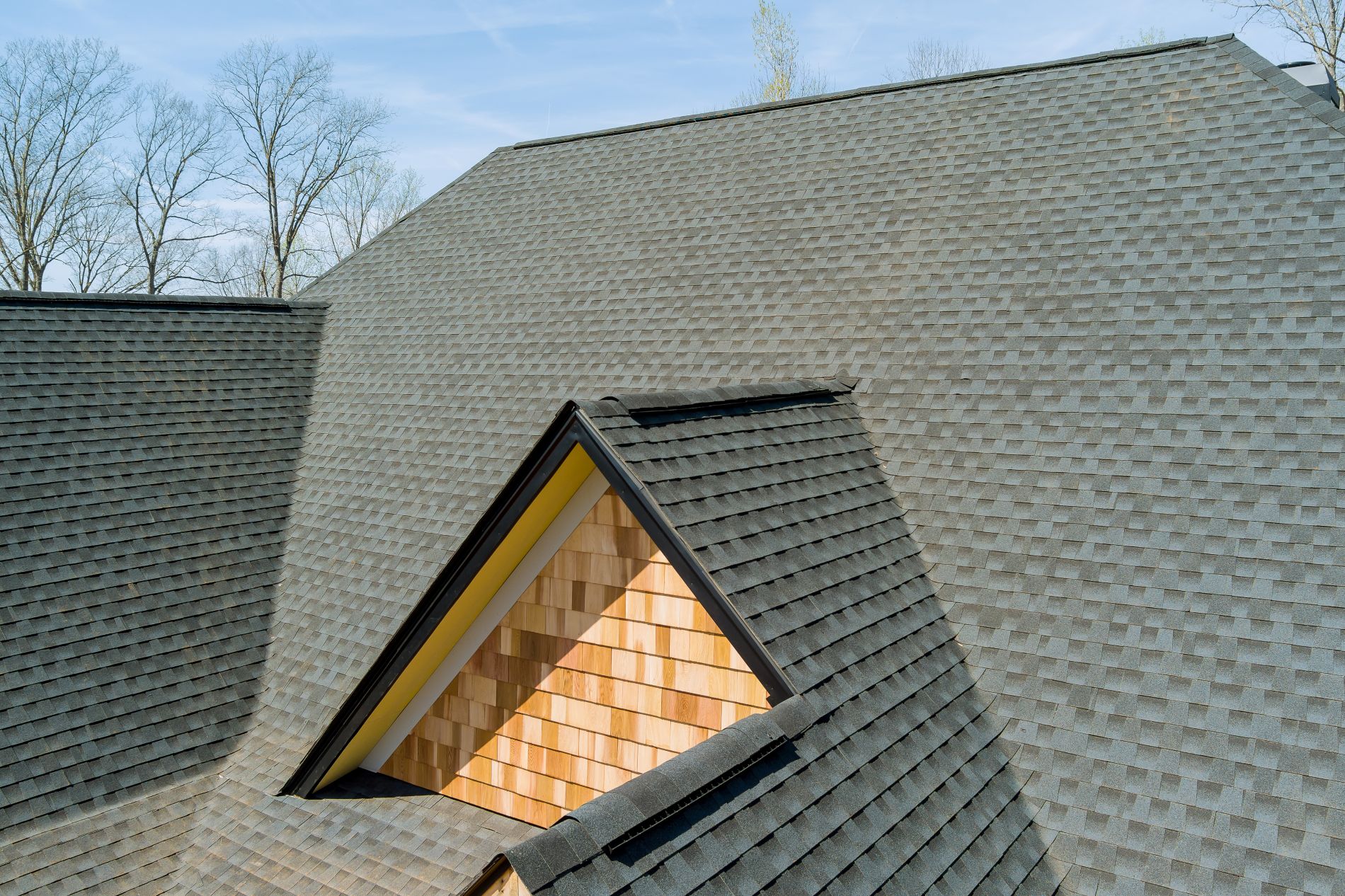
Residential roofing planned around the home, the complete roof assembly, local weather exposure, water movement, ventilation, and long-term protection.
Residential Roofing
SLM General Contractors provides residential roofing services designed to protect the structure, living spaces, and exterior of your home through coordinated replacement, repair, leak investigation, storm restoration, flashing, ventilation, and drainage work.
From aging shingles and isolated leaks to complete roof replacement, we evaluate the visible surface together with the decking, underlayment, penetrations, edges, valleys, ventilation, and water-management details that influence long-term roof performance.
Residential Roofing Overview
Residential roofing is not limited to the shingles or other material visible from the street. The roof deck, moisture barriers, flashing, penetrations, valleys, ventilation, edges, and drainage components must work together to move water away from the home.
SLM General Contractors evaluates those connected components before defining the work, helping distinguish isolated repair needs from broader conditions that may affect the reliability, service life, and weather resistance of the roof.

A residential roof may need attention because of age, active water intrusion, missing or damaged materials, storm exposure, ventilation concerns, failed flashing, or changes to the home beneath it. The right solution begins with identifying the source and extent of the condition.
When roofing components are treated separately, a repair can address the visible symptom without resolving the underlying water path or vulnerable transition. Our approach considers how the assembly sheds water, manages heat and moisture, and connects with walls, chimneys, vents, skylights, gutters, and additions.
Depending on the property, the work may include complete replacement, localized repairs, decking replacement, underlayment, flashing, ventilation changes, gutter coordination, storm restoration, or new roofing for an addition or substantial home improvement.
Evaluate slopes, valleys, roof edges, wall intersections, penetrations, flashing, gutters, and runoff direction as connected water paths.
Review decking, underlayment, outer roofing materials, fasteners, edges, and transitions before concealing the work beneath finished surfaces.
Consider intake, exhaust, insulation, attic airflow, and interior moisture sources that can influence the roof from beneath the assembly.
Plan access, staging, landscaping protection, debris control, occupied areas, cleanup, and the safety of the property throughout construction.
What We Handle
Residential roofing projects often reach beyond the outer roofing material. Decking, underlayment, flashing, ventilation, drainage, penetrations, edge details, and surrounding exterior components can all affect the final result.
SLM General Contractors coordinates those connected elements within one defined scope so the work beneath the finished roof supports the protection expected above the home.
Replace an aging, deteriorated, or extensively damaged roofing system with a coordinated assembly built around the home's slopes, edges, penetrations, ventilation, and drainage.
Address localized damage and vulnerable roof details before the condition expands into surrounding materials, decking, insulation, or interior spaces.
Trace water entry beyond the visible stain or drip point by reviewing penetrations, valleys, flashing, transitions, drainage direction, and concealed travel paths.
Evaluate and document wind, hail, debris, and rain-related conditions affecting roofing materials, edges, flashing, gutters, penetrations, and the supporting assembly.
Review and prepare the structural surface and secondary moisture protection beneath the visible roofing material before new installation conceals the work.
Direct water safely around chimneys, walls, vents, skylights, pipes, slope changes, and other interruptions in the continuous roofing surface.
Coordinate intake and exhaust ventilation with insulation, attic airflow, roof design, and interior exhaust sources to help manage heat and moisture.
Collect roof runoff and direct it away from roof edges, walls, entrances, walkways, landscaping, and foundation areas surrounding the home.
Residential Roofing Services
Residential roofing can address one isolated concern, an aging roof system, weather-related damage, or a complete installation for a new home or addition. SLM General Contractors develops the scope around the actual roof, the surrounding building envelope, and the work required to restore dependable performance.
A complete replacement removes the aging roofing surface so the deck, underlayment, flashing, edges, valleys, and penetrations can be evaluated and rebuilt as a coordinated protection system.
Our team plans removal, property protection, material staging, deck repairs, moisture barriers, new roofing installation, flashing, ventilation, drainage details, and cleanup within one organized scope.
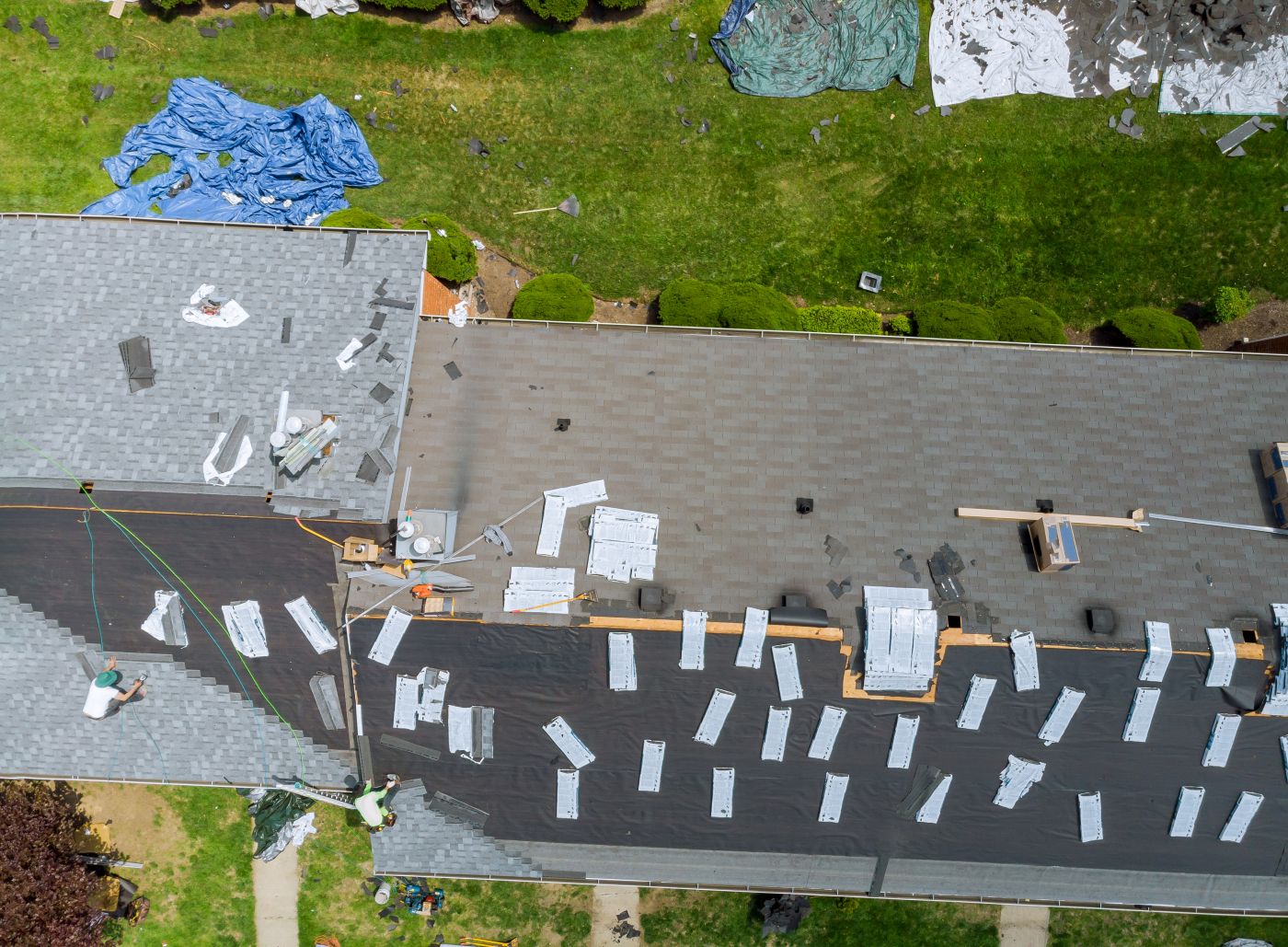
Localized repairs can extend the usefulness of a roof when the surrounding assembly remains serviceable and the source of the problem can be clearly identified.
We review visible damage together with nearby flashing, penetrations, edges, valleys, drainage paths, and interior moisture signs so the repair addresses the contributing condition rather than only the visible symptom.
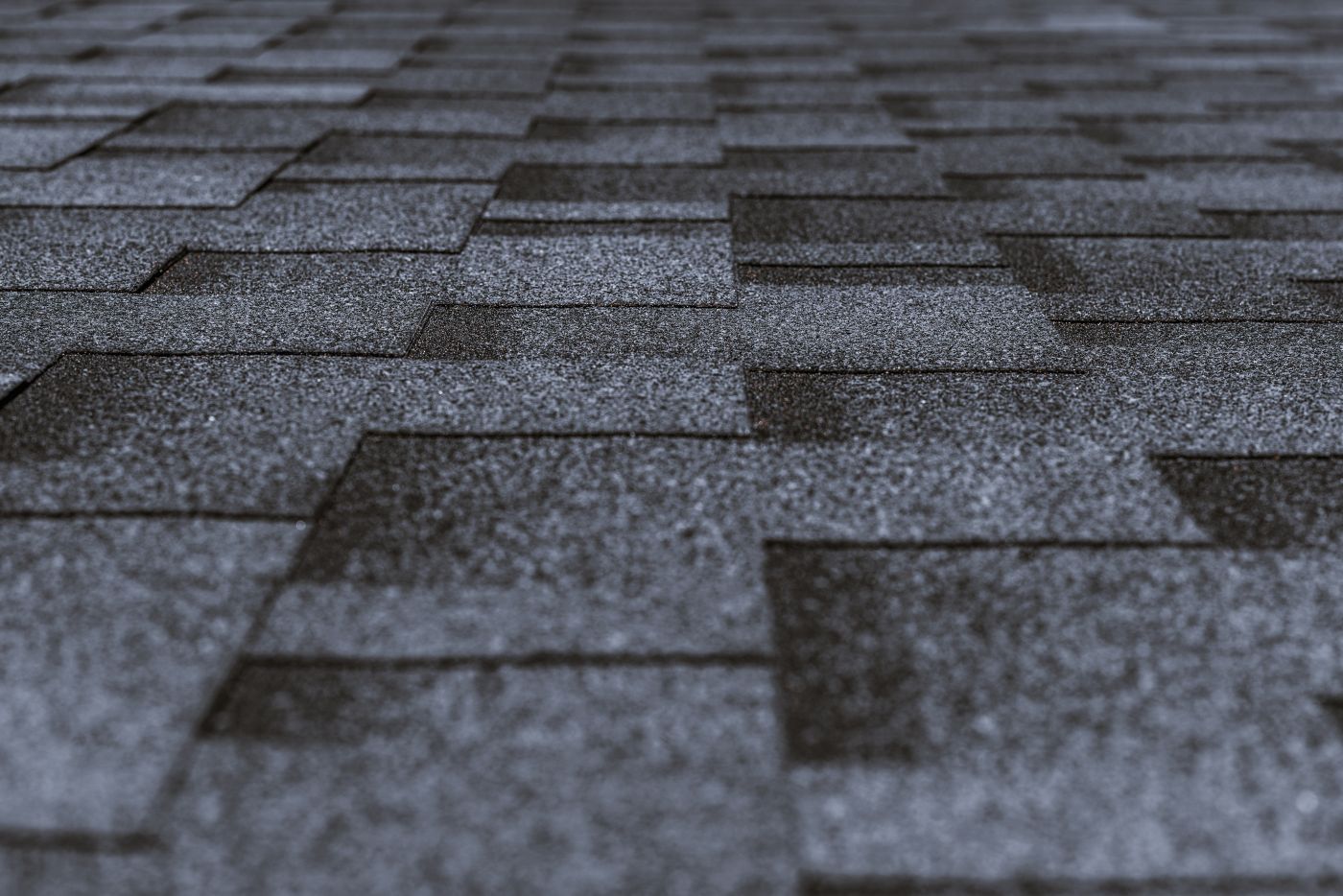
Wind, hail, falling debris, and heavy rain can affect the visible roofing surface as well as edges, gutters, flashing, vents, and concealed layers beneath the damaged area.
We document accessible conditions, identify temporary protection needs, and define whether the home requires targeted repairs or a broader restoration plan based on the extent of damage and the condition of the existing roof.
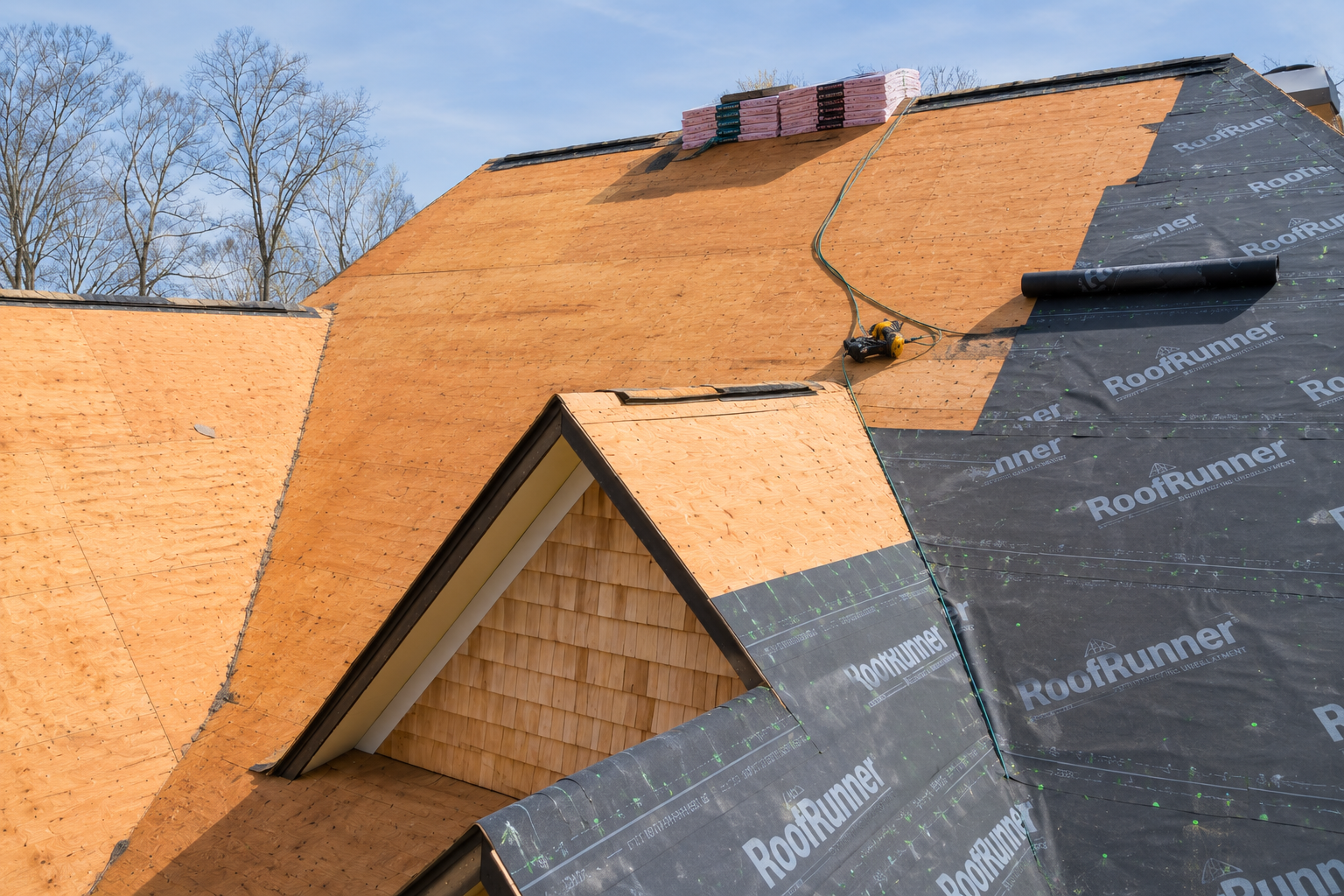
New construction and home additions require roofing that integrates with framing, wall transitions, exterior finishes, flashing, ventilation, and the drainage patterns of the existing structure.
We coordinate the new roof assembly with adjoining slopes, valleys, ridges, edges, and penetrations so the finished work protects the expanded home as one connected building envelope.
Our Roofing Process
Residential roofing requires careful sequencing across inspection, material removal, deck preparation, moisture barriers, flashing, installation, drainage, and cleanup. From the initial consultation through the final walkthrough, SLM General Contractors keeps the work organized around the home and the complete roofing system.
We begin by discussing roof age, known leaks, visible damage, storm exposure, previous repairs, ventilation concerns, and the homeowner's priorities for repair, replacement, or new installation.
Our team reviews accessible roofing materials, flashing, penetrations, edges, valleys, gutters, drainage, attic or interior moisture signs, and other conditions that help define the source and extent of the work.
We organize the repair or replacement scope, materials, scheduling, property protection, access, deliveries, removal, trade coordination, and anticipated roof-system details before construction begins.
The team completes removal, decking repairs, underlayment, flashing, roofing installation, ventilation, edge and drainage details, site cleanup, and other work included within the approved residential roofing scope.
Before project completion, we review finished surfaces, penetrations, transitions, roof edges, gutters, cleanup, and remaining details to confirm the completed work reflects the plan established at the beginning.
Frequently Asked Questions
The decision depends on roof age, the condition of the roofing materials, leak history, flashing, decking, ventilation, storm damage, and whether problems are isolated or widespread. A localized condition may support a targeted repair, while repeated failures or extensive deterioration may make replacement more practical.
A professional evaluation should consider the complete roof assembly rather than judging the decision from one visible symptom alone.
Helpful Resources: FEMA Roofing Guidance • U.S. Department of Energy Roofing
Water can enter at one point and travel along decking, framing, fasteners, insulation, or interior surfaces before becoming visible elsewhere. Wind-driven rain can also move water beneath vulnerable edges and transitions that remain dry during lighter weather.
Leak investigation should trace both the exterior roof details and the interior moisture path instead of assuming the visible stain is directly beneath the entry point.
Helpful Resources: InterNACHI Roof Inspection Guidance • EPA Mold and Moisture Resources
Begin with safety and avoid climbing onto a wet, damaged, or unstable roof. Photograph visible conditions from safe locations, check ceilings and attic areas for new moisture, and arrange a professional roof evaluation.
Temporary protection may be appropriate when active water entry is present, but permanent work should follow a documented assessment of the affected materials and surrounding roof system.
Helpful Resources: Ready.gov Severe Weather • FEMA Building Science
Attic ventilation helps manage heat and moisture beneath the roof assembly. Its performance depends on balanced intake and exhaust, unobstructed airflow, insulation placement, and the way bathroom, kitchen, and other exhaust systems terminate around the attic and roof.
Ventilation should be reviewed as one part of the broader roof and attic system, not as a stand-alone component added without considering the home's existing conditions.
Helpful Resources: U.S. Department of Energy Ventilation • EPA Indoor Air Quality
Roofing work creates vibration, noise, debris movement, material deliveries, and temporary changes to driveway, yard, and home access. Preparation helps protect vehicles, landscaping, belongings, children, pets, and the active construction area.
The contractor should explain staging, work zones, access needs, delivery timing, debris control, and cleanup expectations before construction begins.
Helpful Resources: OSHA Construction Safety • EPA Renovation Resources