
Identify the Source
Evaluate the damaged area and surrounding roofing components to determine where the failure began.
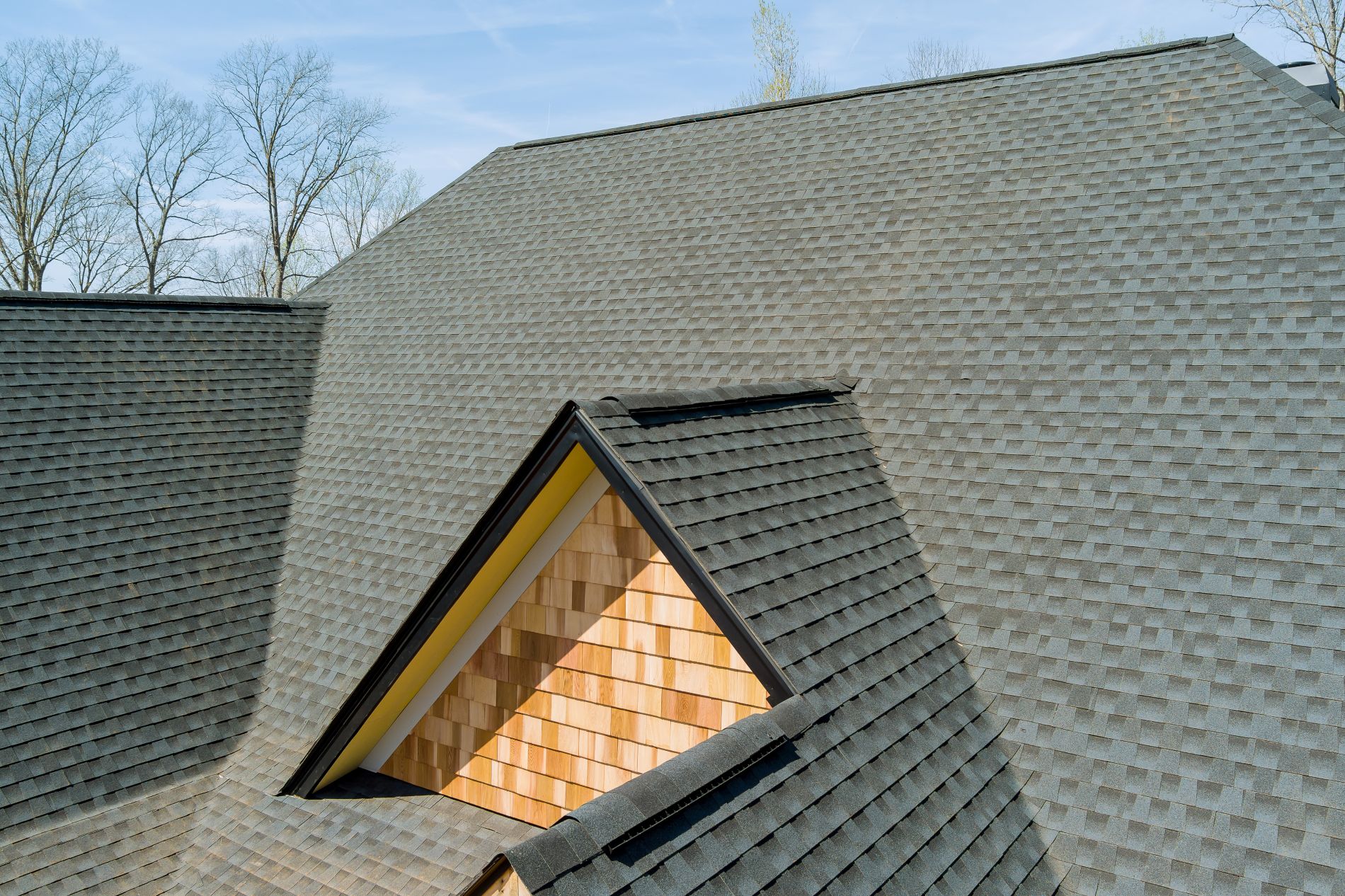
Roofing problems identified at the source and repaired with long-term protection, weather resistance, and system performance in mind.
Roof Repair
SLM General Contractors provides roof repair services designed to identify the source of roofing problems and restore the affected areas before damage spreads further into the property.
From missing shingles and damaged flashing to leaks, storm damage, roof penetrations, drainage concerns, and deteriorated materials, we evaluate the roofing system before determining the appropriate repair.
Roof Repair Overview
Roofing damage is not always limited to the area where the problem first becomes visible. Water can travel beneath roofing materials, around flashing, through penetrations, or along the roof deck before appearing inside the property.
SLM General Contractors evaluates the affected roofing area and surrounding components before defining the repair scope, helping address the source rather than simply covering the visible symptom.
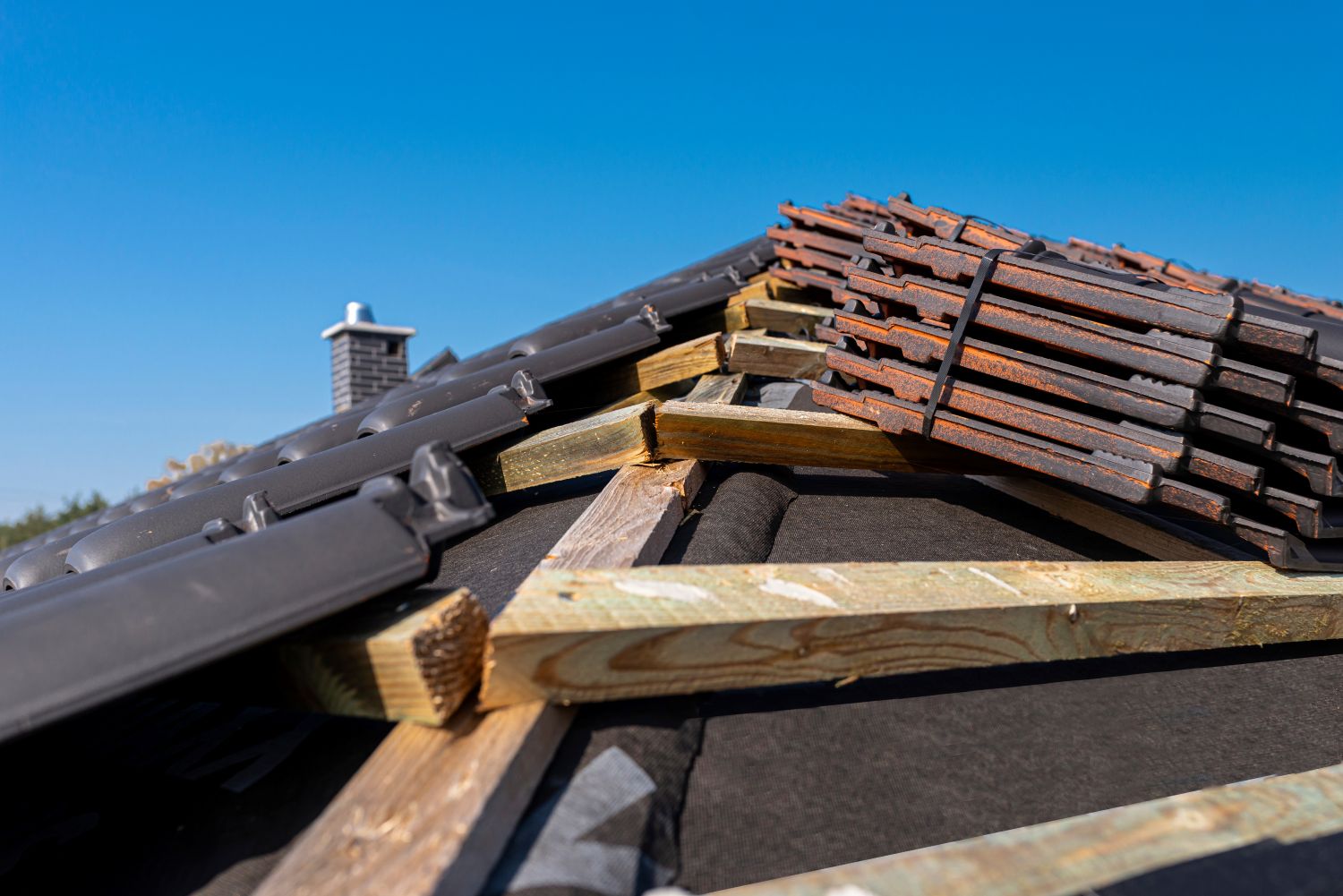
A roofing system works as a collection of overlapping components. Shingles, panels, membranes, flashing, underlayment, penetrations, vents, drainage points, and structural surfaces all contribute to keeping water outside the building.
Damage to one of those areas can affect other parts of the system. That is why roof repair should begin with understanding where the failure occurred, how far the damage extends, and whether nearby components have also been affected.
Depending on the condition of the roof, repairs may involve replacing damaged materials, correcting flashing, sealing or rebuilding penetrations, repairing roof decking, addressing drainage concerns, or restoring areas affected by wind, hail, or general wear.
Evaluate the damaged area and surrounding roofing components to determine where the failure began.
Address areas that allow moisture beneath roofing materials or into the interior structure.
Replace or repair roofing materials, flashing, decking, penetrations, and other affected components as needed.
Complete repairs with surrounding roof performance, weather resistance, and long-term protection in mind.
What We Handle
Roof damage can involve more than the visible exterior material. Flashing, underlayment, decking, penetrations, drainage points, fasteners, ventilation, and adjoining roof sections may all affect how the repair should be completed.
SLM General Contractors reviews those connected roofing components when developing the repair scope so the work addresses the damaged area within the context of the overall roof system.
Water intrusion can originate far from the location where a stain or drip becomes visible inside the property.
Missing, cracked, lifted, loose, or deteriorated roofing materials can expose underlying layers to weather and moisture.
Flashing helps protect transitions where roofing meets walls, chimneys, valleys, edges, and other changes in the roof system.
Pipes, vents, exhaust openings, and other penetrations require proper seals and flashing where they pass through the roof.
High winds, hail, falling debris, and severe storms can loosen, crack, puncture, or remove roofing materials.
When moisture or impact damage reaches the roof deck, affected sections may need repair before exterior roofing materials can be properly restored.
Valleys, edges, low areas, and drainage transitions must move water away from vulnerable roof sections without allowing moisture beneath the roofing system.
Fasteners, sealants, flashing edges, material overlaps, and final repair details help complete the restored area and protect surrounding roofing components.
Roof Repair Services
Not every roofing problem requires the same repair. Some properties need a small section of damaged material replaced, while others have leaks involving flashing, penetrations, storm damage, or deterioration beneath the visible roofing surface. SLM General Contractors develops the repair scope around the actual roof condition.
A roof leak may begin around damaged roofing materials, flashing, penetrations, valleys, roof edges, or another vulnerable transition. Water can then travel beneath the roofing system before becoming visible inside the building.
We evaluate the affected area and surrounding components to locate the likely source, determine how much of the system has been affected, and develop a targeted repair.
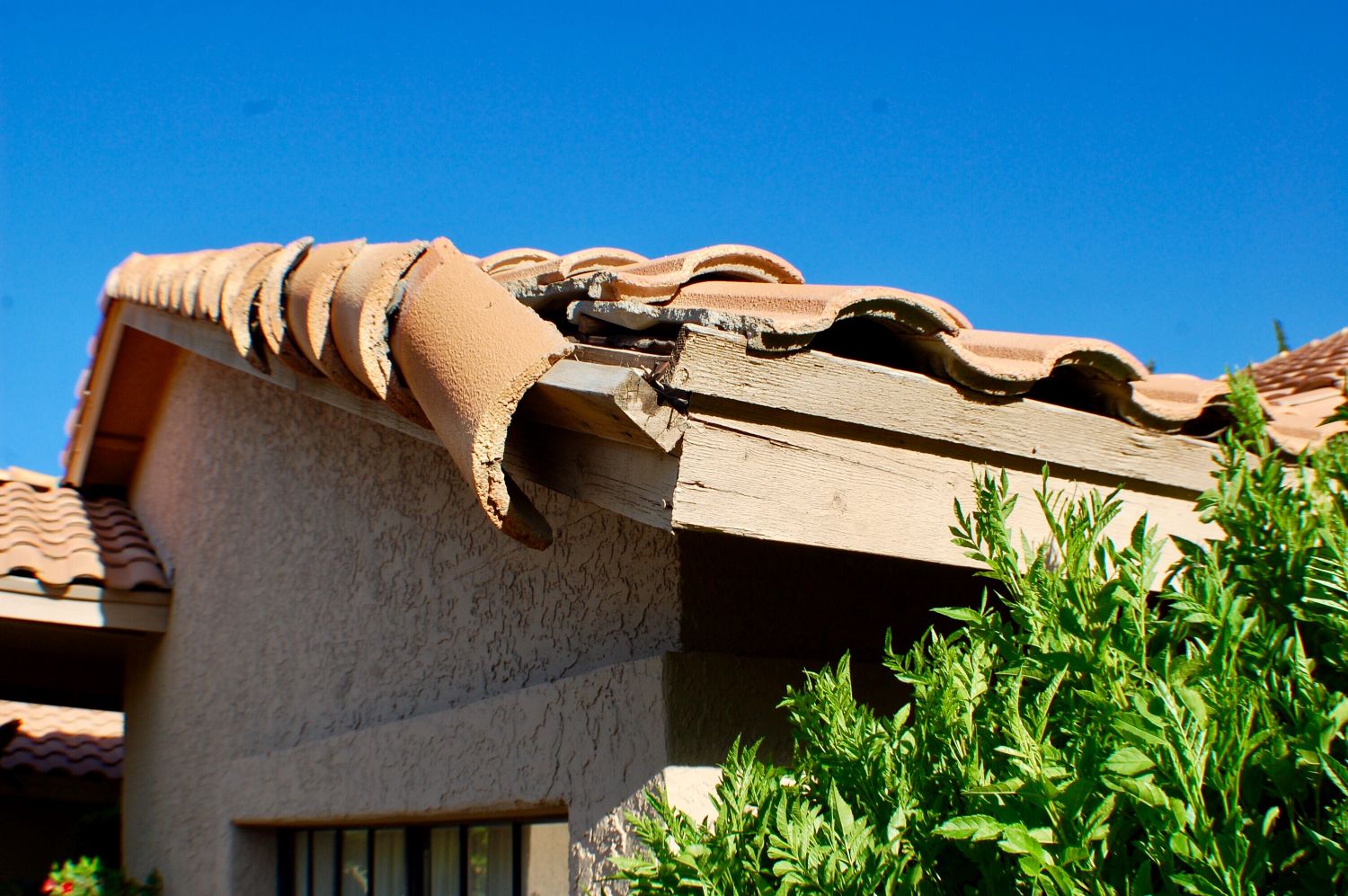
Missing shingles, lifted edges, cracked materials, loose sections, punctures, and localized deterioration can reduce the roof's ability to shed water and protect the layers below.
When damage is concentrated within a repairable area, affected materials can often be removed and replaced while preserving the surrounding roofing system.
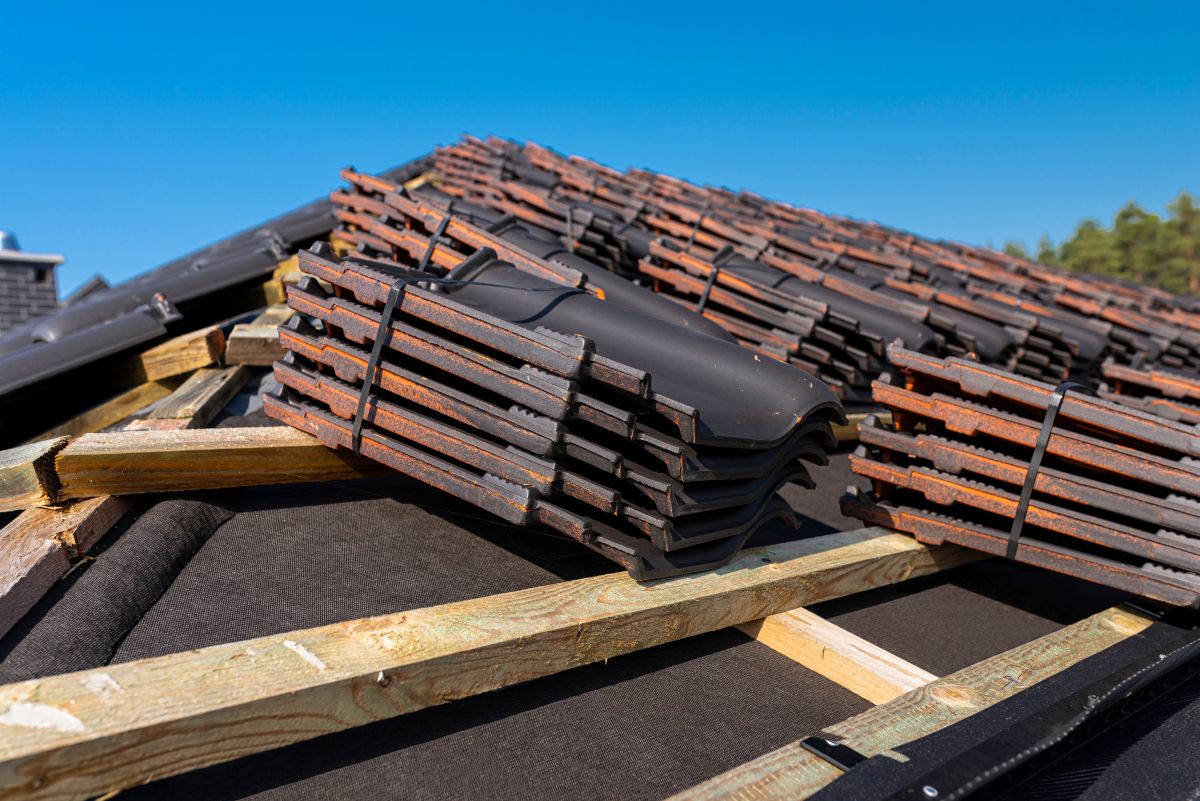
Roof transitions and penetrations are common areas for water intrusion because roofing materials must connect with walls, pipes, vents, chimneys, valleys, and other interruptions in the roof surface.
Repairing these areas may involve correcting existing flashing, replacing damaged components, restoring seals, and integrating the repair with surrounding roofing materials.
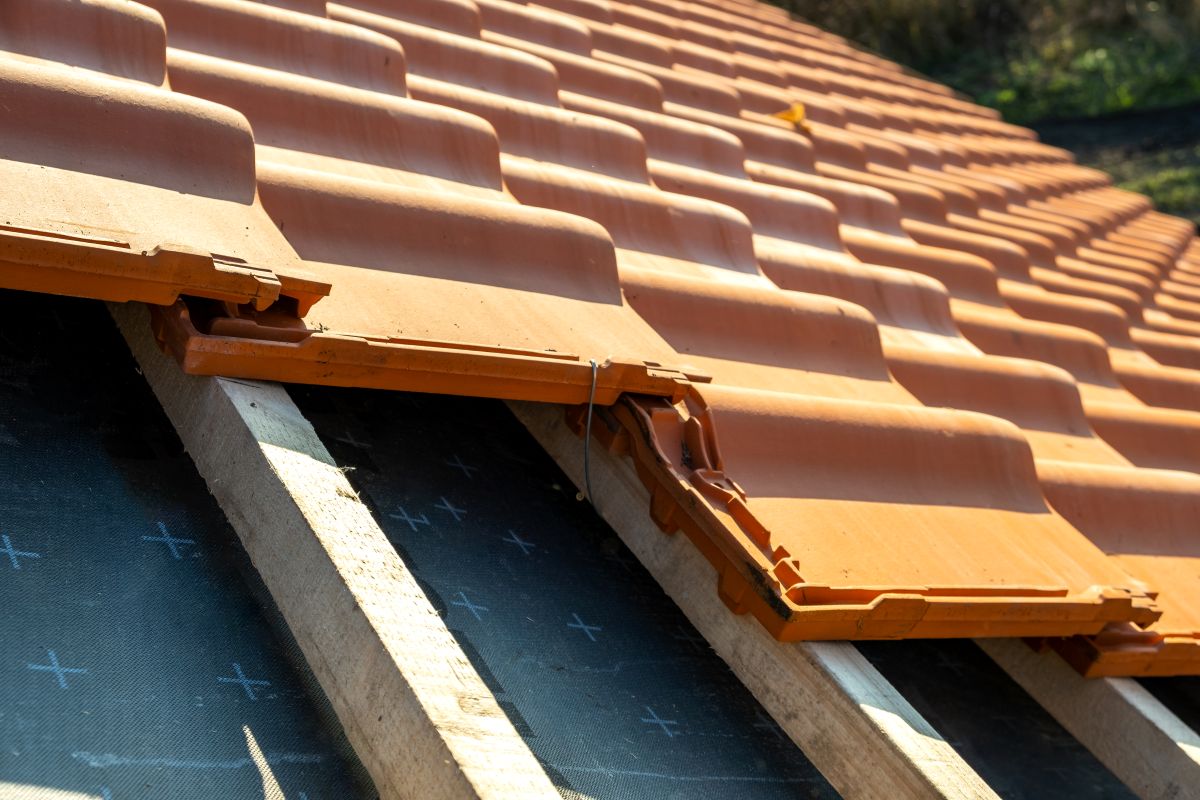
Severe weather can loosen roofing materials, lift edges, damage flashing, create punctures, and expose areas that were previously protected from water intrusion.
Following wind, hail, or debris impact, we can evaluate the affected roofing areas and determine which components require targeted repair or further attention.
Our Roof Repair Process
Every roofing problem is different, but our repair process remains focused on the same fundamentals: evaluate the roof, identify the source and extent of the problem, define the appropriate repair, and complete the work with the surrounding roofing system in mind.
We begin by reviewing the reported problem, inspecting the affected area, and examining surrounding roofing components for visible signs of damage, deterioration, or water intrusion.
Once the likely source and extent of the problem are identified, we determine which roofing materials and connected components need repair or replacement.
Damaged roofing materials, flashing, penetrations, decking, seals, or other affected components are repaired according to the defined scope while protecting the surrounding roof system.
After the repair is complete, the work area and surrounding roofing components are reviewed to confirm that the repair has been completed and the affected area is properly restored.
Frequently Asked Questions
Whether a roof can be repaired depends on the age and overall condition of the roofing system, the location and extent of the damage, and whether the surrounding materials remain serviceable.
Localized issues such as a damaged section of roofing, isolated flashing failure, or individual penetration problem may often lend themselves to repair. Widespread deterioration may require a broader roofing solution.
Helpful Resources: National Roofing Contractors Association • FEMA
Common warning signs include missing or damaged roofing materials, interior water stains, active leaks, loose flashing, damaged roof penetrations, visible storm damage, and areas where roofing materials appear lifted or deteriorated.
Some roof problems are not immediately visible from the ground, which is why an inspection may be useful when a property has experienced severe weather or unexplained moisture intrusion.
Helpful Resources: National Roofing Contractors Association • FEMA
Water does not always travel straight down from the point where it enters the roofing system. Moisture may move beneath shingles, along underlayment, around framing, or through roof transitions before becoming visible inside the property.
That means the interior location of a stain or drip may not be directly beneath the actual exterior roofing failure. Evaluating nearby flashing, penetrations, valleys, and roofing materials helps narrow down the source.
Helpful Resources: National Roofing Contractors Association • U.S. Department of Energy
A roof inspection can be helpful after severe wind, hail, falling debris, or other weather events because some roofing damage may not create an immediate interior leak.
Loose materials, damaged flashing, impact marks, lifted edges, or exposed areas can allow future water intrusion even when the property initially appears dry.
Helpful Resources: National Weather Service • FEMA
If water is entering the property, protect the interior area from additional damage when it is safe to do so and contact a roofing professional for an evaluation. Avoid climbing onto a wet, damaged, or storm-affected roof yourself.
The repair should focus on identifying where water is entering, determining whether surrounding materials have been affected, and correcting the roofing condition responsible for the leak.
Helpful Resources: Occupational Safety and Health Administration • FEMA