
Storm Impact Documentation
Record visible wind, hail, debris, tree, and water-related damage across roofing, flashing, penetrations, drainage, edges, and adjoining components.
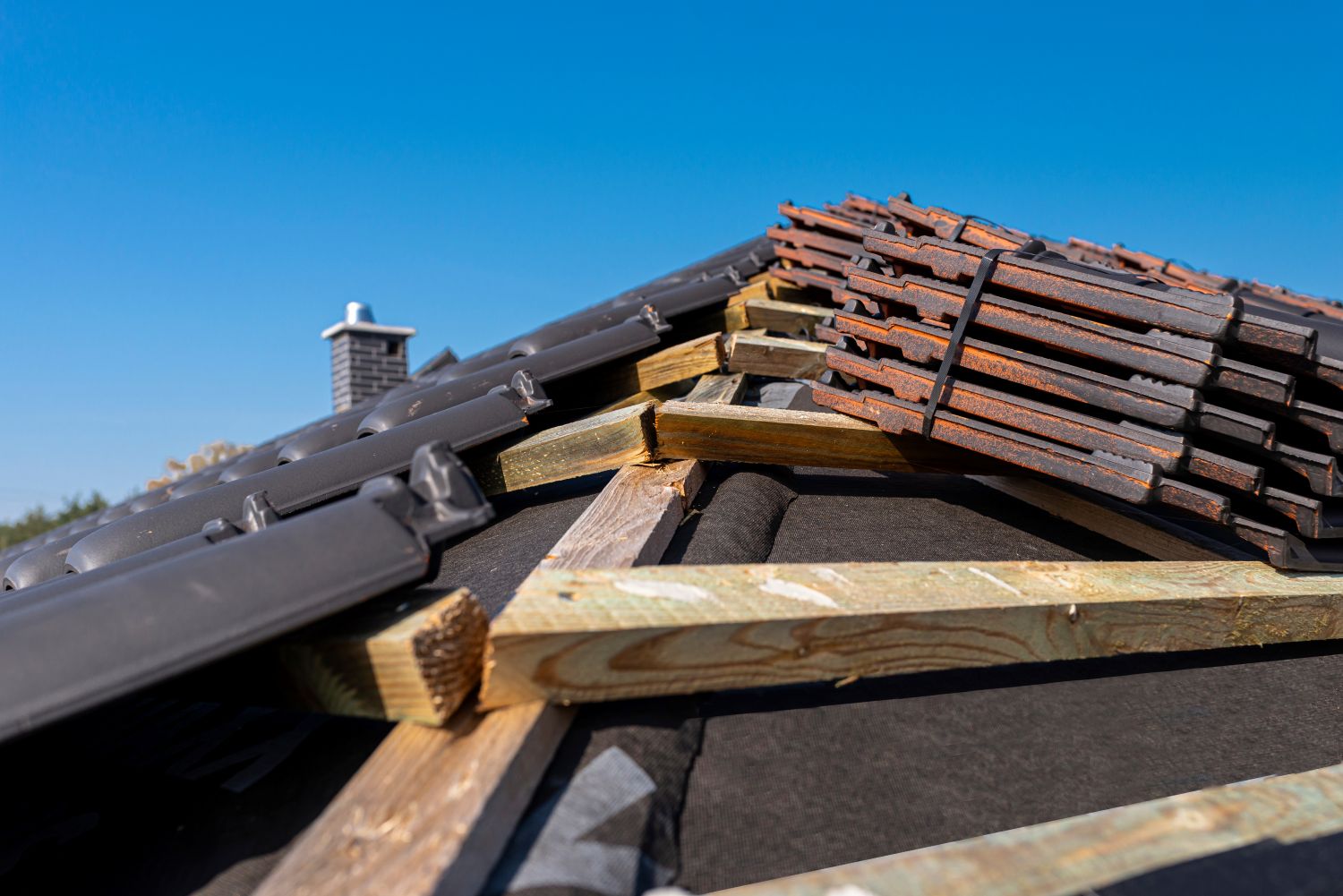
Storm damage roof repair focused on documenting wind, hail, debris, fallen-limb, and heavy-rain damage, protecting exposed areas, and restoring the roof components affected by the event.
Storm Damage Roof Repair
SLM General Contractors provides storm damage roof inspection, emergency protection, repair, and restoration for residential and commercial properties throughout McKinney and North Texas.
We evaluate hail impact, wind uplift, missing or displaced materials, punctures, torn membranes, damaged flashing, fallen limbs, debris strikes, drainage failures, exposed decking, and storm-related water intrusion before defining the repair scope.
Storm Damage Roof Repair Overview
A severe storm can damage roofing materials, flashing, ventilation, drainage, roof edges, decking, equipment curbs, gutters, siding, and adjoining building components during the same event.
Effective storm repair begins by documenting the date and type of weather, comparing visible impact with the complete roof system, identifying urgent exposure, and separating repairable damage from conditions that may require broader restoration.

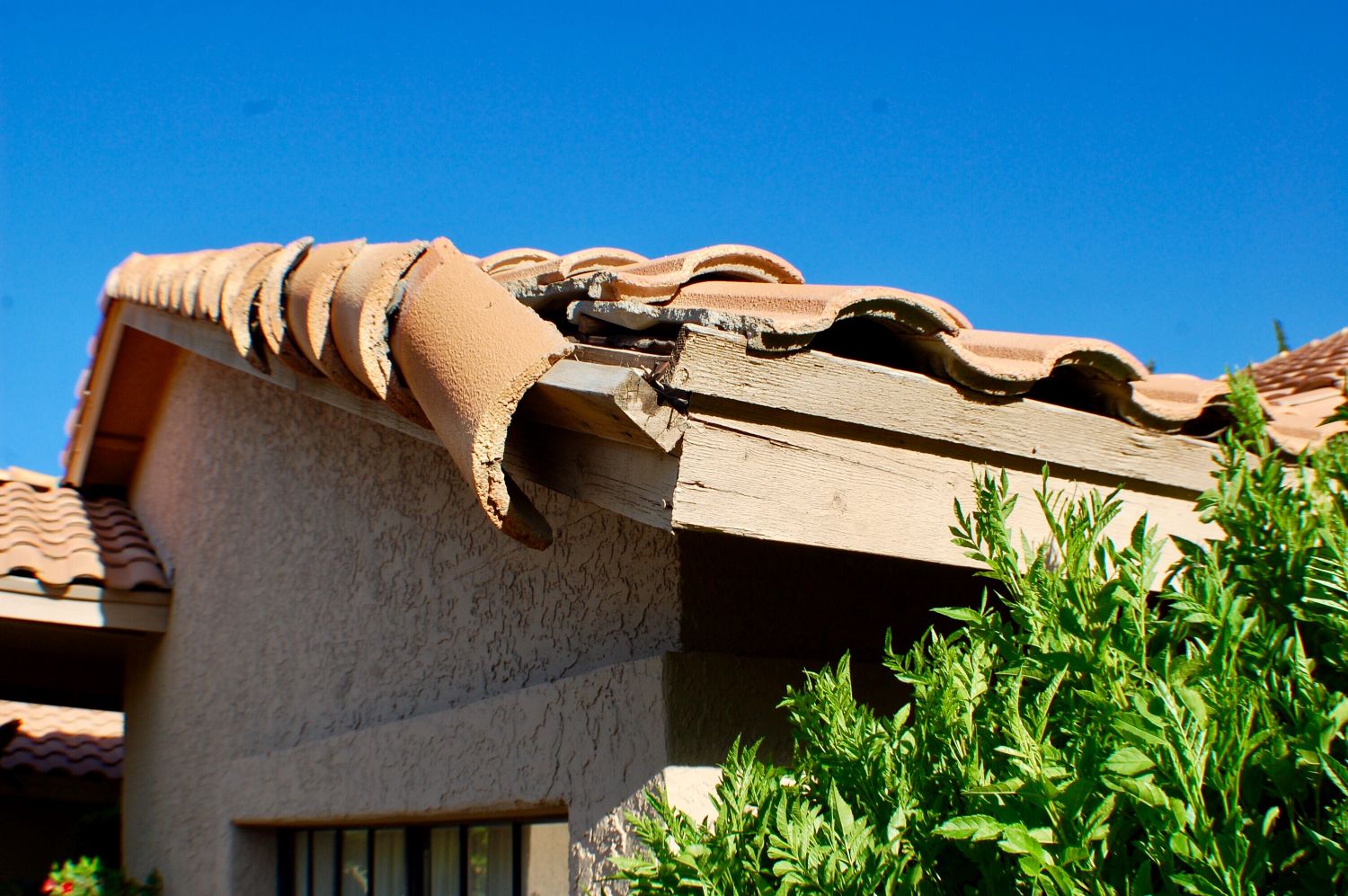
Storm damage is not limited to an obvious opening. Wind can lift or remove roofing, hail can fracture or bruise materials, debris can puncture surfaces, fallen limbs can damage decking and framing, and heavy rain can expose drainage or flashing weaknesses across the roof system.
Some storm effects are immediately visible, while others appear later as loosened fasteners, separated seams, cracked flashing, displaced ridge materials, damaged underlayment, wet insulation, or recurring interior moisture. A roof can remain in place and still have damage that shortens service life or increases vulnerability during the next storm.
This page is focused specifically on weather-related roof damage rather than ordinary aging or isolated maintenance. Storm damage repair addresses the affected materials, emergency exposure, roof-system connections, interior consequences, documentation, and the restoration scope created by a specific hail, wind, debris, tree, or heavy-rain event.
Record visible wind, hail, debris, tree, and water-related damage across roofing, flashing, penetrations, drainage, edges, and adjoining components.
Identify openings, displaced materials, punctures, unstable debris, and active water entry that may require temporary protection before permanent work.
Define whether localized repair, replacement of an affected roof area, or broader roof-system restoration is appropriate for the damage found.
Recognize that decking, insulation, ceilings, walls, fascia, soffits, gutters, equipment, finishes, and concealed assemblies may also require attention after a severe storm.
Damage We Assess
A storm may affect one roof area or several connected systems at once. Wind direction, hail size, debris paths, tree impact, roof geometry, drainage, material age, previous repairs, and adjoining walls all influence the type and extent of damage.
The inspection scope is built around the actual weather event, roof type, visible conditions, and property exposure—not a generic assumption that every storm creates the same damage pattern.
Inspect missing, lifted, creased, shifted, torn, loosened, or detached roofing materials caused by uplift, pressure changes, and wind-driven debris across steep-slope and low-slope roof systems.
Review roofing, metal, vents, flashings, gutters, coatings, and accessories for dents, fractures, bruising, granule displacement, coating loss, punctures, and other material-specific signs of hail impact.
Inspect areas struck by branches, falling limbs, tree sections, loose building materials, signs, equipment, and other airborne debris that may crush, puncture, tear, or displace roofing and supporting components.
Evaluate storm-damaged flashing, boots, curbs, collars, skylights, roof hatches, vents, chimneys, pipes, conduits, and other openings where movement or impact can break the roof system's weather-resistant transitions.
Review vulnerable high-exposure areas where wind pressure, hail, debris, and concentrated runoff can damage ridge materials, valleys, roof-to-wall intersections, eaves, rakes, hips, and perimeter metal.
Inspect commercial membranes, seams, fasteners, curbs, supports, drains, scuppers, parapets, copings, pitch pockets, equipment transitions, and service areas affected by wind, hail, debris, or standing water.
Review drains, scuppers, gutters, downspouts, overflow provisions, low areas, debris accumulation, standing water, and displaced drainage components that can worsen storm damage or direct water into vulnerable assemblies.
Examine exposed or softened decking, damaged framing, wet insulation, ceiling and wall staining, interior openings, displaced soffits, and other connected damage created when the storm breaches the roof.
Storm Damage Scenarios
Storm damage may result from wind, hail, fallen trees, airborne debris, heavy rain, or a combination of conditions during one severe-weather event. The assessment must reflect the roof system, property type, exposure, safety concerns, and the full pattern of damage—not only the most visible defect.
Residential storm damage may include missing or creased shingles, hail-bruised materials, damaged ridge caps, lifted flashing, dented vents, broken tiles, torn underlayment, and exposed decking.
The roof is reviewed across all slopes and vulnerable details so isolated visible damage is not mistaken for the full impact area. Interior symptoms and connected components are documented when applicable.
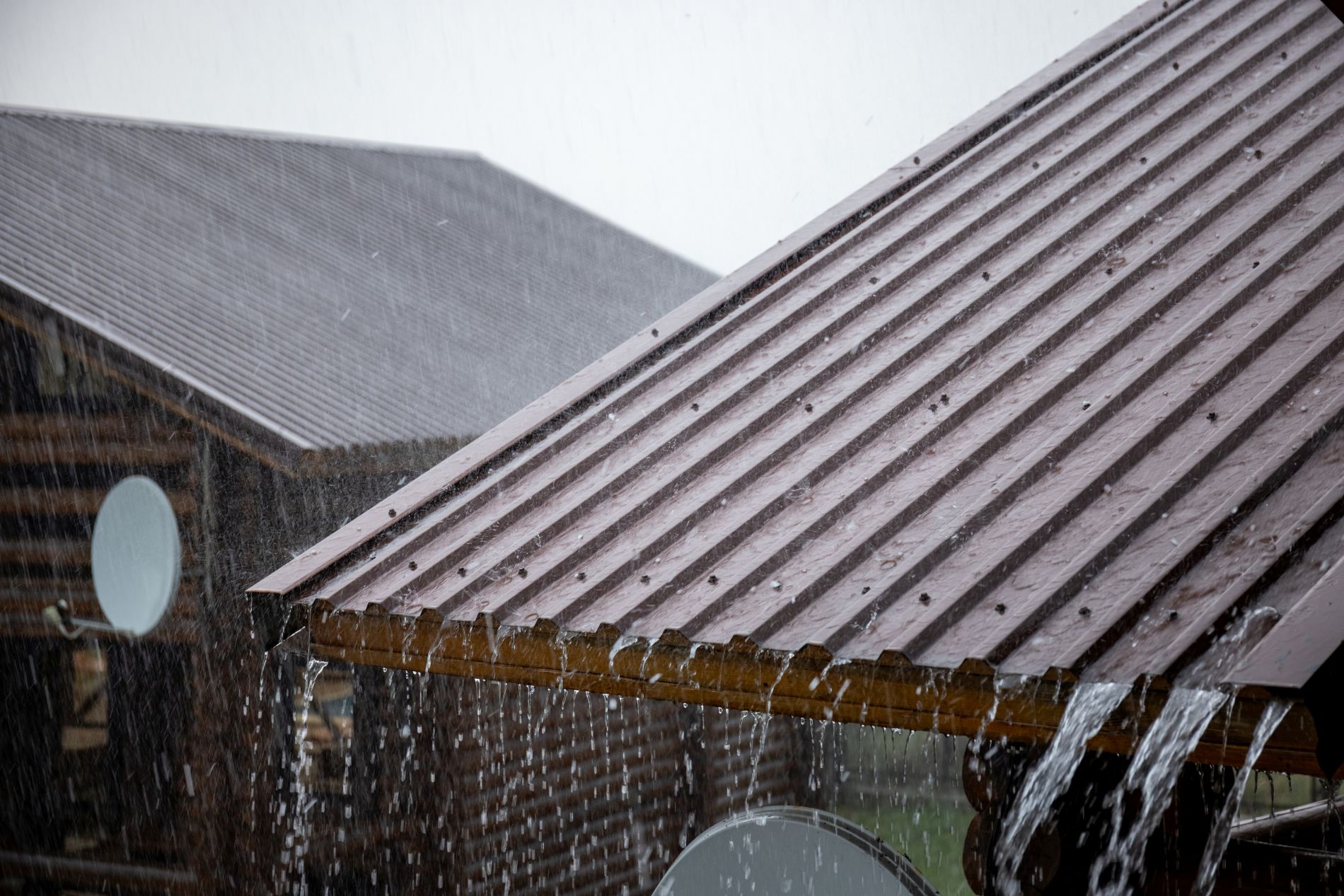
Commercial storm damage may involve lifted or torn membranes, displaced edge metal, hail-damaged coatings, punctures, open seams, damaged equipment curbs, blocked drains, shifted supports, and concealed moisture within insulation assemblies.
Assessment often requires coordinating roof access, occupied areas, equipment locations, drainage patterns, temporary protection, business continuity, and phased repairs across a larger roof area.
Fallen limbs and airborne debris can puncture roofing, crush insulation, break decking, damage rafters or trusses, tear membranes, displace flashing, and leave large areas exposed to additional rainfall.
These projects may require safe debris removal, temporary weather protection, structural review, selective opening, material replacement, and coordination with interior repairs before the roof can be fully restored.
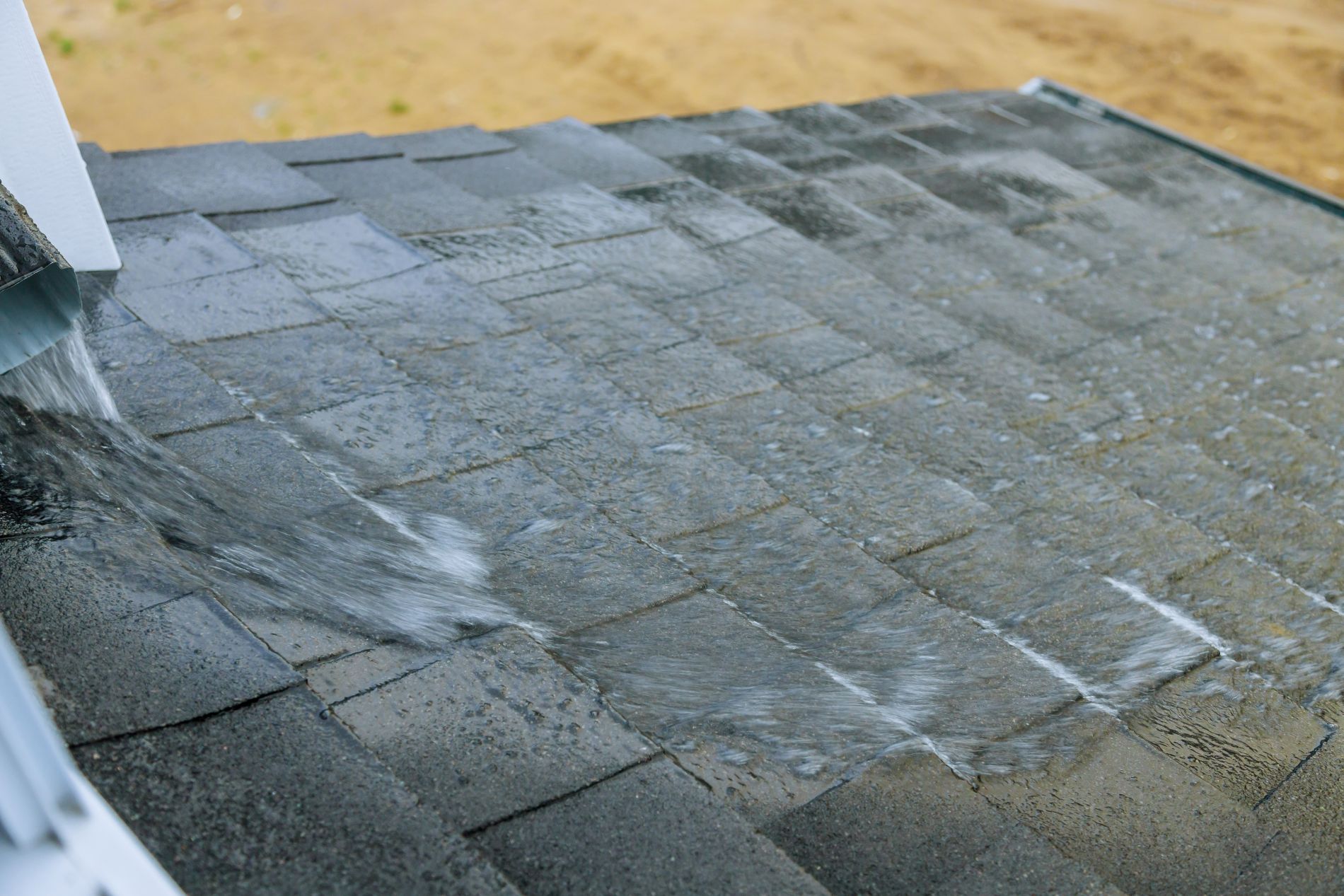
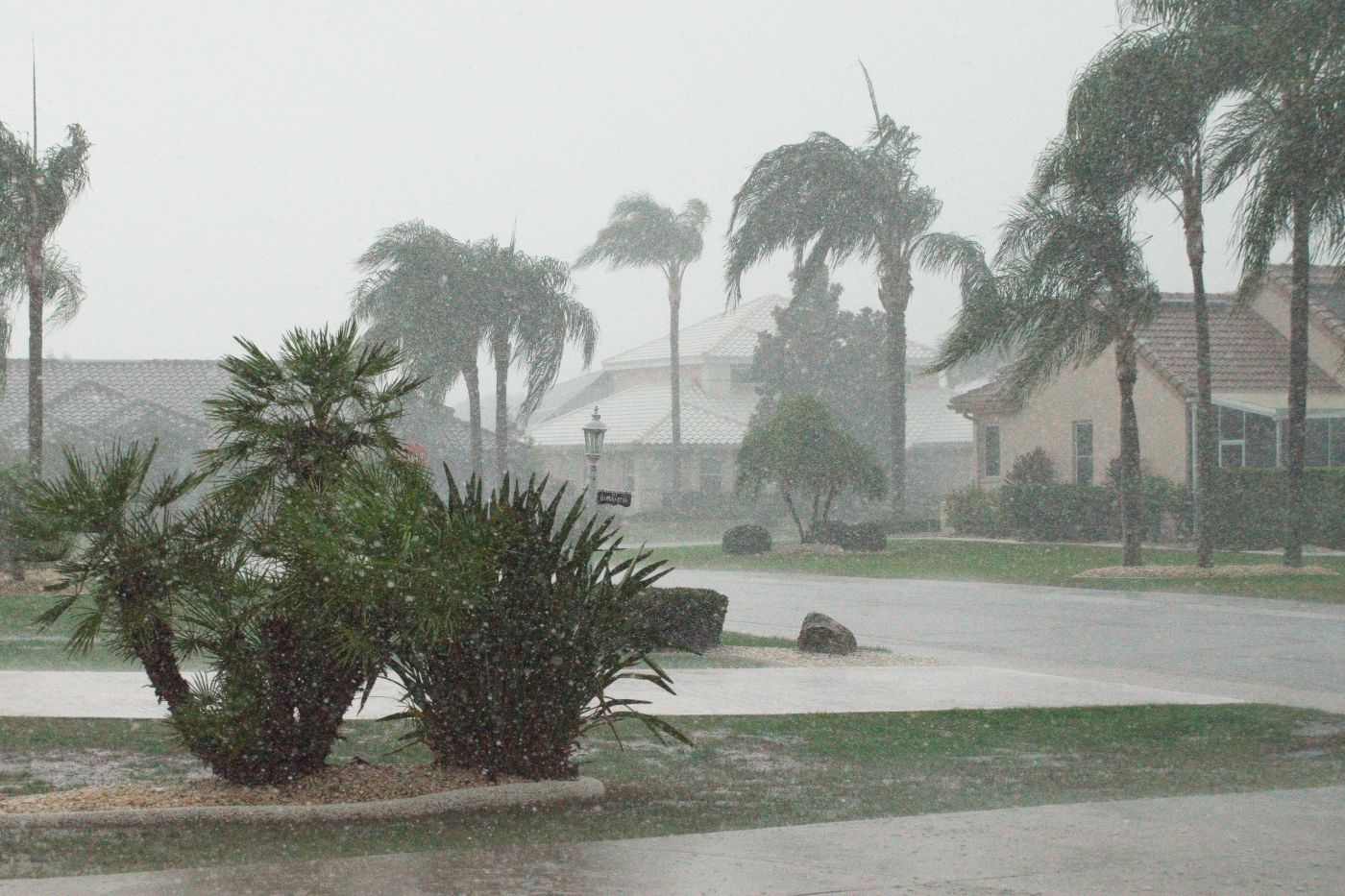
Heavy or wind-driven rain can enter through storm-created openings, overwhelmed drainage, displaced flashing, damaged edges, open seams, punctures, low areas, clogged valleys, failed gutters, or exposed underlayment.
The assessment compares interior symptoms with storm direction, roof geometry, drainage, walls, penetrations, exposed materials, and the timing of water entry so both the breach and the resulting damage can be addressed.
Our Storm Damage Roof Repair Process
Storm damage repair begins by understanding the weather event, identifying immediate safety and water-entry concerns, documenting the affected roof areas, defining the repair or restoration scope, and completing work that reconnects the damaged components into a reliable roof system.
We begin by discussing when the storm occurred, the reported wind, hail, rain, tree, or debris conditions, visible openings, interior water, fallen materials, electrical concerns, and any emergency actions already taken. Unsafe or unstable areas are identified before repair work.
The team evaluates accessible roofing materials, ridges, valleys, flashing, penetrations, walls, seams, drains, scuppers, curbs, skylights, edges, gutters, equipment, decking, impact zones, displaced materials, and connected interior conditions.
When needed, exposed areas may be stabilized or temporarily protected while the permanent scope is developed. We compare the event pattern, roof geometry, material condition, drainage, structure, and visible impact to determine whether repair or broader restoration is appropriate.
The approved work may include replacing damaged roofing, underlayment, decking, flashing, vents, boots, seams, edge metal, gutters, curbs, or drainage components; rebuilding impact areas; and correcting concealed conditions revealed during removal.
We review the completed work, surrounding roof details, cleanup, drainage, transitions, and visible interior concerns, then explain what the property owner should monitor during future weather and which non-roof repairs may still require coordination.
Frequently Asked Questions
Visible storm damage may include missing or lifted shingles, cracked tiles, dented metal, torn membrane, displaced flashing, broken vents, damaged gutters, fallen branches, punctures, or debris on the roof. Interior stains, damp insulation, or ceiling movement may indicate damage that is not obvious from the ground.
Because some damage is concealed or difficult to see safely, ground-level observations should not replace a qualified roof assessment. Avoid climbing onto a wet, steep, unstable, or debris-covered roof.
Helpful Resources: Whole Building Design Guide • EPA Mold and Moisture Resources
Keep people away from the affected area, protect contents when it is safe, and avoid entering spaces beneath sagging ceilings, damaged framing, fallen trees, or electrical hazards. Temporary roof protection may help reduce additional water entry until permanent repairs are completed.
Emergency coverings should be installed only when conditions permit safe access and should not be treated as the final repair. Permanent work should address damaged roofing, underlayment, decking, flashing, and connected components.
Helpful Resources: EPA Mold Guidance • Ready.gov Severe Weather Preparedness
Yes. Hail may bruise asphalt shingles, dislodge protective granules, fracture tiles, dent metal, damage coatings, puncture membranes, or break roof accessories without removing the material completely. Some effects are subtle and depend on the roofing system and impact severity.
A professional assessment should consider hail size, wind, roof slope, material type, age, collateral damage, and the pattern across multiple roof areas rather than relying on one isolated mark.
Helpful Resources: National Weather Service Flood Safety • FEMA Roofing Guidance
No. Some storm damage can be repaired locally when the affected area is limited, compatible materials are available, and the surrounding roof remains serviceable. Other conditions may affect enough of the system that broader replacement or restoration is the more durable approach.
The decision depends on the roof type, age, impact pattern, number of slopes or sections affected, condition of flashing and underlayment, availability of matching materials, and any structural damage.
Helpful Resources: National Roofing Contractors Association • Whole Building Design Guide
Useful information includes the storm date and approximate time, hail or wind reports, visible roof and property damage, interior water locations, fallen limbs, damaged vehicles or exterior components, emergency protection performed, roof age, and previous repair history.
Take photographs or video only from safe locations and preserve receipts, contractor notes, temporary-protection records, and relevant weather information. Do not delay urgent safety or water-control measures solely for documentation purposes.
Helpful Resources: Ready.gov Home Safety Planning • EPA Moisture Documentation Guidance